The Art of Shifting: Russian vs. French
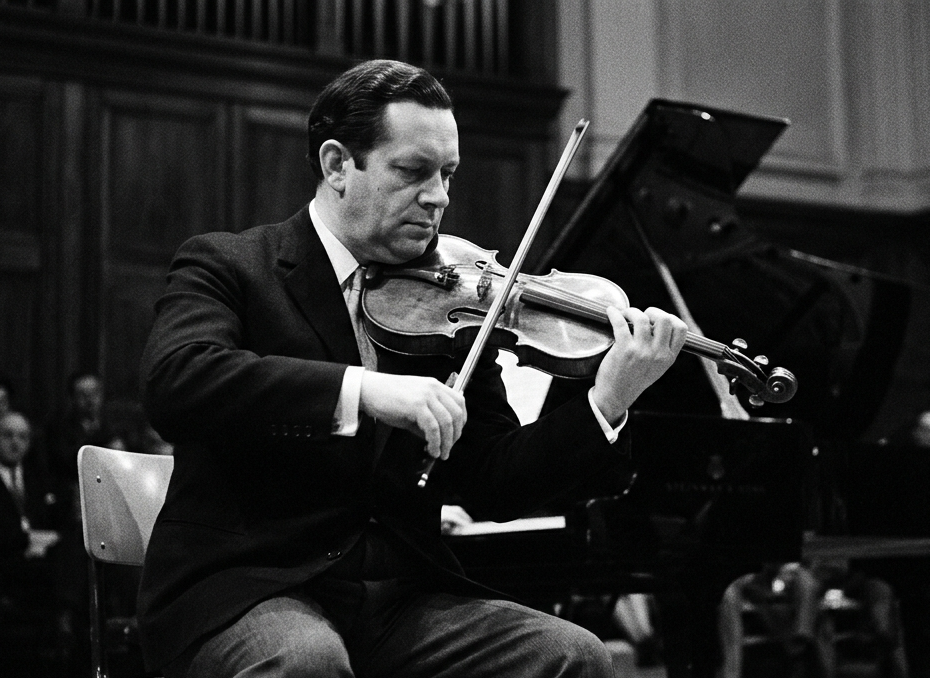
Grumiaux with his trademark French shifting
Shifting is the bridge between the different worlds of the violin. How we cross that bridge—whether we do so invisibly or with a vocal "sigh"—defines our musical voice. In the world of high-level violin playing, this usually comes down to the choice between the Russian (New Finger) shift and the French (Old Finger) shift.
Understanding the mechanics of these two styles is essential for any student of the instrument, from those working on Suzuki to mastering the Carl Flesch scale system to those exploring the expressive depths of Romantic concertos.
1. The Russian Shift (“Modern”: The "New Finger" Shift)
The Russian shift (the most common shift these days) is the foundation of modern technical clarity.
The Mechanics: In this method, the target finger (the one you are moving to) initiates the movement. As the hand begins to move toward the new position, the old finger releases its pressure, and the new finger prepares to land exactly when the hand reaches its destination.
The Sound: This shift is designed to be as "clean" and invisible as possible.
Best For: Technical passages, fast scales, and any repertoire/passage where a portamento (i.e. a visible “carrying” sound = “French” shifting covered below) would sound out of place.
Why It Works: It keeps the hand shape compact and reduces the risk of "smearing" the sound between notes. Plus, it just sounds so good and natural!
2. The French Shift (“Classic”: The "Old Finger" Shift)
Often called the "Classical" or "L'Ancienne" shift, this style dominated the 19th century and remains a vital tool for artistic expression. One of my favorite violinists — Arthur Grumiaux — is a wonderful master of this shift. I personally call the French Shift the “Grumiaux Shift” — because it’s such a trademark sound of the great master.
The Mechanics: In the French shift, the starting finger (the one you are moving from) performs the slide. You maintain a light, gliding pressure on the string with the current finger until the hand reaches the new position. Only then do you drop the new finger onto the string.
The Sound: This produces an audible portamento. It creates a "vocal" connection that mimics a singer moving between intervals.
Best For: Romantic melodies, some classical music, slow movements, and adding a "human" quality to a phrase.
Mastery Tip: The speed and pressure of the slide determine the "taste" of the shift. Too slow and it sounds heavy; too fast and it loses its expressive purpose. It’s incredibly difficult to do it well, but if done properly…it’s so tasteful and elegant.
Which One Should You Practice?
A versatile violinist needs both.
If you are working on technical etudes (like those by Fiorillo or Rode), the Russian shift is generally your best friend for building a reliable map of the fingerboard. It ensures that your intonation is based on hand-frame logic rather than just "feeling" for a slide.
However, if you are playing a Brahms or even Schubert, using only Russian shifts can make the music sound clinical or "dry." Incorporating the French shift allows you to "sing" through the instrument, using the slide to emphasize a particularly beautiful interval or a shift in harmonic tension. It makes things so much more elegant and exquisite — only if done correctly.
Mastering these shifts is the key to balancing technical precision with artistic soul. While understanding the theory is the first step, applying these techniques to your own playing often requires a personalized approach and a keen ear.
If you are looking to refine your shifting or elevate your overall technique through structured pedagogy, I would love to help you reach your goals.
